Kintech Marketing

Digital Marketing Mistakes That Are Silently Killing Small Businesses in 2026

Marketing Mistakes That Are Silently Killing Small Businesses

Let me be real with you for a second. You didn’t start your business to become a social media manager. You didn’t sign up to obsess over hashtags, Google algorithms, or why your last Instagram post got four likes three of which were from your family.
And yet, here you are. Spending hours on marketing that doesn’t seem to move the needle, watching competitors with half your talent somehow show up everywhere online, and quietly wondering if you’re doing something fundamentally wrong. You probably are. But it’s not your fault and it’s very fixable.

After working with hundreds of small business owners across industries, we’ve seen the same costly patterns repeat themselves over and over. These aren’t rare, exotic mistakes. They’re the everyday habits that quietly bleed your marketing budget dry and keep your business invisible online even when your product or service is genuinely great.

Here are the five biggest digital marketing mistakes small businesses make in 2026, and exactly what to do about each one.

1.Trying to Be Everywhere at Once (The "Spray and Pray" Trap)

Marketing campaigns

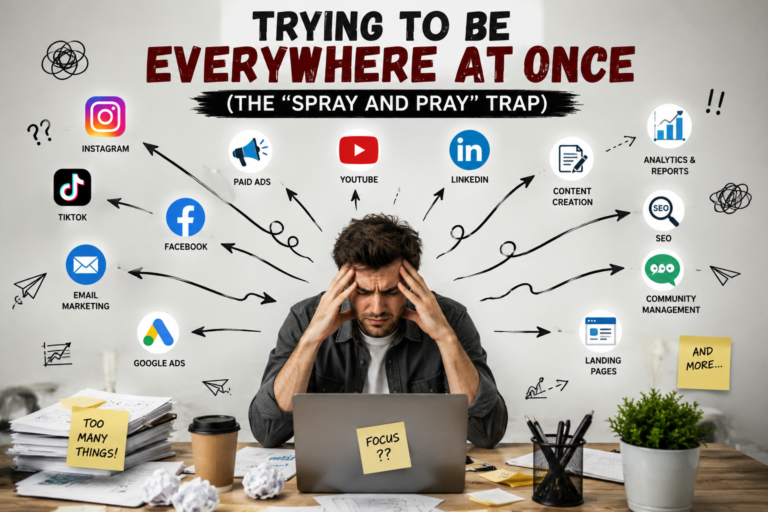
Picture this: you spend Sunday afternoon creating a post for Facebook, tweaking it for Instagram, writing a different version for LinkedIn, and filming a short video for TikTok. By the time you’re done, you’re exhausted, the content is mediocre across the board, and none of it actually connects with anyone.

This is the spray-and-pray approach to social media marketing and it’s one of the most common small business marketing mistakes out there.

Here’s what nobody tells you: “you don’t need to be on every platform. You need to dominate one or two.”

The businesses that grow fastest online aren’t the ones posting everywhere they’re the ones who understand their audience deeply and show up consistently in the right place. A local café owner who posts three genuinely warm, beautifully shot photos on Instagram every week will outperform a competitor who halfheartedly posts across five platforms with no clear voice or strategy.

What to do instead: Figure out where your ideal customer actually hangs out. Selling home renovation services? Facebook groups and Google Search are gold. Running a fashion boutique? Instagram and Pinterest. B2B consulting? LinkedIn, full stop. Pick your top two platforms, commit for 90 days, and go deep before you even think about expanding.

You can read more about The Power of Marketing trends and Innovation in our full breakdown.

2.Ghosting Your Google Business Profile

google business profile

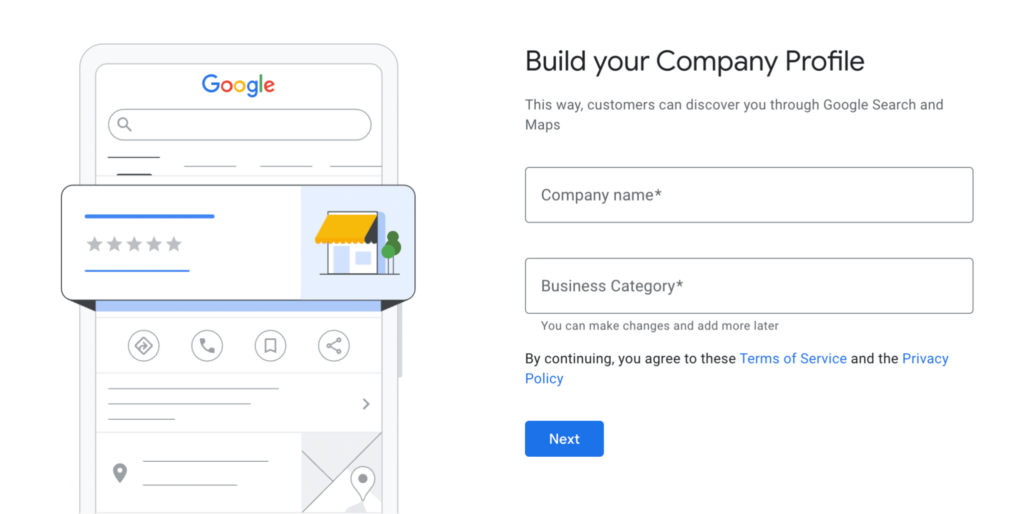
If there’s one free marketing tool that small businesses consistently underuse, it’s Google Business Profile (formerly Google My Business). And the cost of ignoring it is staggering.

Think about the last time you searched for something like “best coffee shop near me” or “affordable dentist in Chicago.” What did you look at first? Probably the map results those three highlighted businesses with photos, reviews, and star ratings. That’s Google Business Profile doing its job.

Now ask yourself: when did you last update yours?

Most small business owners set up their profile once, forget about it, and then wonder why their competitors keep showing up in local SEO results while they don’t. Outdated hours, missing photos, zero reviews, no posts these details tank your visibility in local search rankings and cost you real customers who were actively looking to buy.

What to do instead: Spend 30 minutes this week doing a full audit of your Google Business Profile. Update your hours (especially for holidays), upload at least 10 high-quality photos, write a description that includes your most important local SEO keywords (e.g., “digital marketing agency in Lahore” or “affordable marketing services for small businesses”), and add your core services. Then start asking every happy customer to leave a review. Even five new reviews can meaningfully move your local search ranking.

Check out our guide on Marketing Strategies and Benefits for a step-by-step walkthrough.

3.Publishing Content With No Strategy Behind It

Here’s a scenario that’ll feel painfully familiar to a lot of business owners.

It’s Tuesday morning. You haven’t posted in two weeks. You’re feeling guilty about it. You quickly snap a photo of your product, write “Check this out! ” as the caption, and hit publish. Nothing happens. A week later, the cycle repeats.

This isn’t a content strategy. This is digital marketing on autopilot and it’s one of the biggest reasons small business content marketing fails.
Without a clear content strategy, you’re essentially throwing stuff at the wall and hoping something sticks. Your audience doesn’t know what to expect from you. The algorithm doesn’t reward inconsistency. And you burn out trying to improvise week after week. The businesses that build real audiences online plan ahead. They know what they’re posting, why they’re posting it, and what they want their audience to feel or do after seeing it.

What to do instead: Build a simple one-month content calendar. It doesn’t need to be complicated a basic spreadsheet works fine. Aim for 3–4 posts per week and rotate through four content types: educational posts (teach something useful), behind-the-scenes content (humanize your brand), social proof (customer reviews, before/after results, case studies), and promotional content (offers, services, CTAs). Follow the 80/20 rule 80% value, 20% promotion. Once you batch-create content and schedule it in advance, the whole process becomes manageable.

We’ve put together a Top Performing Marketing Campaigns Ever that you can download and start using today.

4. Forgetting to Tell People What to Do Next (Missing CTAs)

Funnel of sales

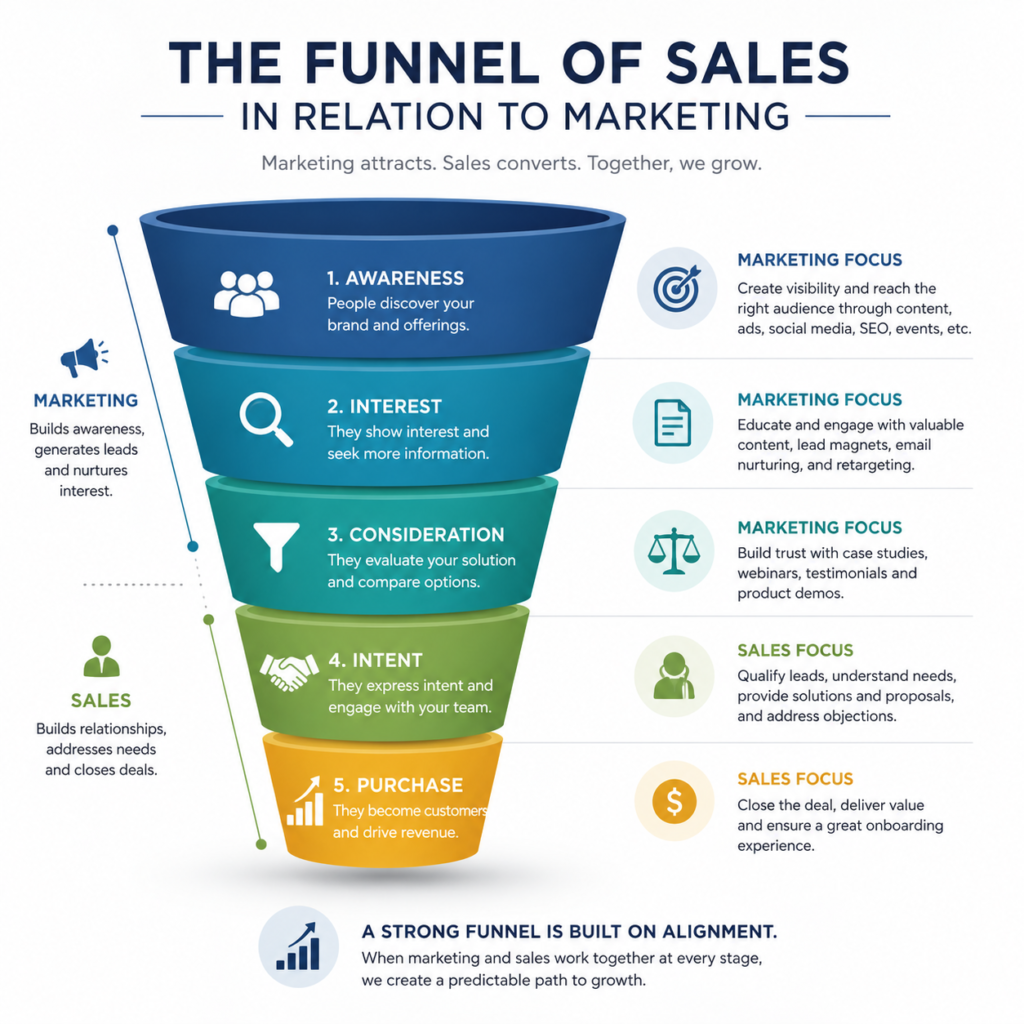
You’ve written a great post. You’ve got decent engagement. Someone visits your website, reads your services page, nods along approvingly and then leaves without doing anything.

Sound familiar?

This is the CTA problem, and it’s everywhere. Browse the websites and social profiles of most small businesses and you’ll notice there’s tons of information but almost no clear direction. No “Book Now.” No “Get a Free Quote.” No “Call Us Today.” Just… content floating in a void.

The uncomfortable truth is that people are busy, easily distracted, and slightly lazy online. If you don’t explicitly tell them what to do next, they will do nothing. Not because they weren’t interested but because the path forward wasn’t clear.

Every single touchpoint in your marketing your homepage, your blog posts, your Instagram bio, your email newsletter, even your WhatsApp status needs a direct, specific call to action that removes all friction and tells the reader exactly what step to take.

What to do instead: Audit every page of your website right now and ask: “What do I want the person reading this to do?” Then add a clear, visible CTA button or link that makes that action obvious. Use action verbs: “Book a Free Strategy Call,” “Download the Guide,” “Get Started Today.” On social media, end every post with a soft CTA ask a question, invite a DM, or link to something useful. It feels obvious once you start doing it, but the difference in conversions is immediate. 

5. Running Marketing Blind No Tracking, No Data

This one hurts the most because it’s the most avoidable.

Small business owners spend real money and real time on paid ads, content creation, and SEO. But when you ask them which of their marketing efforts actually brings in customers, the answer is usually: “I think it’s Instagram? Maybe Google? I’m not sure.”

Flying blind in digital marketing is expensive. You end up pouring budget into campaigns that look good but don’t convert, while the channels quietly driving real results don’t get the attention they deserve.

Data isn’t just for big companies with analytics teams. Even a 30-minute monthly review of your numbers will give you clearer direction than months of guesswork.

What to do instead: Set up Google Analytics 4 on your website today it’s free and takes about 20 minutes. Connect it to Google Search Console for keyword insights. On social platforms, check your native analytics weekly and track which content types drive the most reach, saves, and profile visits. If you’re running paid ads on Meta or Google Ads, track cost per lead and return on ad spend (ROAS), not just clicks. Start with just five metrics and review them monthly. You’ll be surprised how quickly patterns emerge and how much money you stop wasting.

Our team put together a Marketing tools and how they work that breaks all of this down in plain language.

Here’s the Real Talk
None of these mistakes make you a bad business owner. They make you a normal one.

Digital marketing is genuinely complicated, it changes constantly, and nobody teaches you this stuff when you’re starting out. The businesses that crack the code aren’t smarter they’ve just either made enough mistakes to learn from, or they’ve had help from people who already know the shortcuts.

The good news? Every single one of these five mistakes is fixable. You don’t need a massive budget. You don’t need to go viral. You just need a clear strategy, a bit of consistency, and the right guidance.

That’s exactly what we do at Kintech.

We help small businesses stop guessing and start growing with digital marketing strategies built around your goals, your audience, and your budget. Whether you’re starting from scratch or trying to fix what’s not working, we’ve been there with businesses just like yours.

If you’re tired of marketing that doesn’t work, let’s change that.
Book a free 30-minute strategy call with our team no hard sell, just a real conversation about what your business needs.
Marketing That Multiplies Revenue.

More leads. More conversions. More revenue.

Email us

info@kintechsols.com